How a traditional landline works
A landline runs over copper wire from your premises to the local telephone exchange. When you pick up the handset, the line is physically connected through the network to the number you dial. It is simple, reliable in a power cut, and has worked the same way for decades.
The downside is that the line is tied to one location. You cannot easily take the number with you, add users without installing more lines, or route calls to a mobile without extra hardware.
How VoIP works
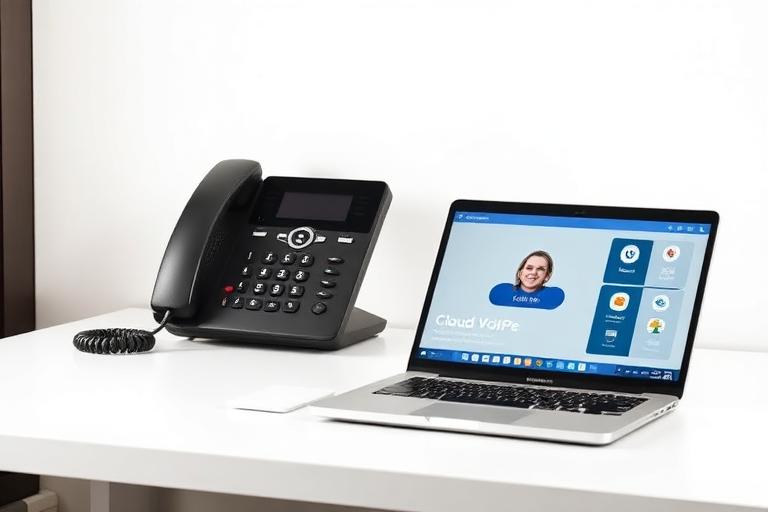
VoIP carries calls over your internet connection instead of a dedicated copper line. The call is converted into data, sent through your router, and delivered by your provider's network. Because it is software-based, it can run on desk phones, computers and mobile apps.
That means the number is not tied to a socket. The same business number can ring a desk phone in the office, a laptop at home and a mobile on a job. Adding a user is a settings change, not an engineer visit.
Cost structure
Landlines typically charge line rental plus call charges, and each extra line costs more. VoIP is usually priced per user per month, with UK calls included. For a small team, the per-user model is often cheaper and easier to budget.
Hardware is similar either way: desk phones cost £60 to £200, or you can use softphones on existing devices. The bigger saving with VoIP is usually the removal of line rental, maintenance contracts and expensive call bundles.
Flexibility and features
- Auto attendant and call routing without extra boxes
- Voicemail delivered to email
- Simultaneous or sequential ringing across devices
- Out-of-hours routing on a schedule
- Call recording and basic reporting
A plain landline offers none of these without additional equipment. If your business depends on never missing a call, VoIP gives you more options.
The power-cut question
This is the one genuine advantage of a traditional landline: it keeps working when the power goes off because the exchange supplies the power down the copper line. VoIP needs your router and handsets to have power.
Most businesses handle this with a UPS on the router, automatic failover to mobiles, or simply accepting that power cuts are rare. We cover the detail in our guide to VoIP in a power cut and emergency calling.
The switch-off makes the decision for you
Regardless of preference, the PSTN is being retired nationally. Openreach is stopping new analogue line orders and withdrawing existing services over time. For most UK businesses the real question is no longer whether to switch, but which VoIP provider to use and when to migrate.
Our PSTN switch-off date guide explains the current timeline. Planning the move early gives you time to test, train staff and port your number without pressure.
Biz Phones as one option
We provide cloud VoIP phone systems for UK small businesses, with per-user pricing, free number porting and free setup under our current offer. If you want a straightforward comparison against keeping your existing lines, send us your current bill and we will show you the numbers side by side.
Want this set up for you?
Plans start at £19 per user per month with UK calls included. See pricing or get a quote.