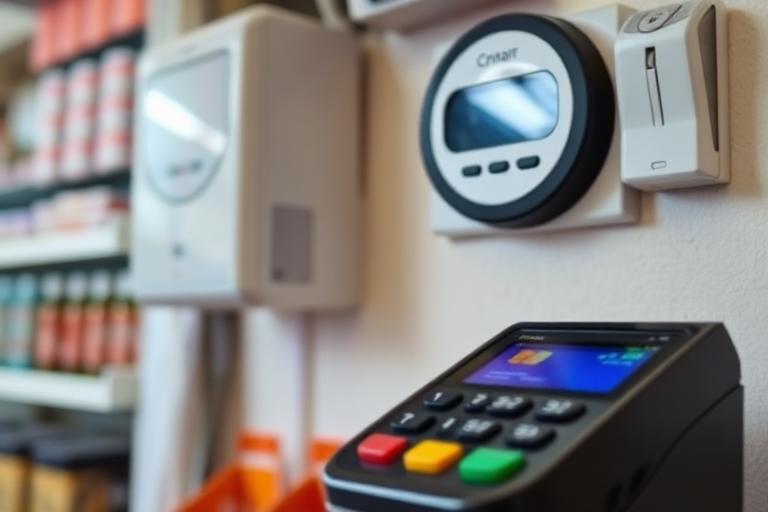
Why equipment is the real risk
A phone that stops working is obvious within an hour. An alarm that can no longer dial its monitoring centre is silent — it looks fine on the wall and only fails at the exact moment you need it. The same goes for a lift emergency line or a fire panel.
Anything that was installed to use a phone socket should be treated as affected until someone confirms otherwise in writing.
Intruder alarms and monitored security
Older panels signal out over the phone line, either by dialling a monitoring centre or via a dedicated signalling path. Analogue signalling protocols are not guaranteed to work over a digital line, and some will fail intermittently rather than obviously.
- Ask your alarm company, in writing, whether your panel is approved for digital lines
- Ask what signalling it uses now and what the replacement path is (usually IP or mobile signalling)
- Check whether your insurance policy specifies a signalling grade — changing it may need telling your insurer
- Book the alarm change before the line change, not after
Lifts, fire panels and emergency call points
Lift autodiallers and refuge call points are legally required to work. They also need power. A digital line depends on your broadband router and your mains supply, so a power cut takes the line down with it unless there is battery backup.
For these systems the usual answer is a dedicated mobile-signalling unit rather than a shared broadband line. Get the lift maintenance provider to specify it; don't improvise.
Card payment terminals
Dial-up card terminals are the most common surprise. They only connect for a few seconds per transaction, so nobody thinks of them as a phone.
Almost every acquirer now supplies broadband or mobile terminals free or cheaply as part of a swap. Call your card provider, ask for a non-dial-up terminal, and do it early — swaps get busy near line migration dates.
Door entry, gate intercoms and remote sites
- Gate and door intercoms that dial a phone number need the same check as an alarm
- Unmanned sites — yards, storage, remote units — often have a line nobody has looked at in years
- Telemetry and monitoring kit on plant equipment can also sit on a phone line
Fax lines
Fax over a digital line is unreliable in practice. Some send fine, some fail on long documents, some fail intermittently — which is worse than failing outright.
If you still receive faxes because a client or a public body sends them, move to a fax-to-email service and keep the number. If you only send them, you almost certainly don't need to any more.
The checklist, in order
- Walk the building and note every phone socket and what's plugged into it
- Pull your bills and list every line you pay for — expect at least one you can't account for
- Contact each equipment supplier: alarm, lift, card, door entry
- Get written confirmation of the replacement path for each one
- Only then move the voice lines, and keep the old service live until everything is tested
If you'd rather someone worked through that list with you, that's a fifteen-minute call. Our PSTN replacement page covers the voice side, and switching from BT covers the account side.
Get a price for your setup
Send us your details and how many people need to answer calls. We'll come back with a straight price — no call centre, no hard sell.
Blog lead form — Alarms, card machines and fax lines after the PSTN switch off
Want this set up for you?
Plans start at £19 per user per month with UK calls included. See pricing or get a quote.